Reward Mechanisms Reshaping Roulette Capital Allocation Across Browser Platforms
Écrit par Felix Bauer · 23/9/2026
Reward Mechanisms Reshaping Roulette Capital Allocation Across Browser Platforms
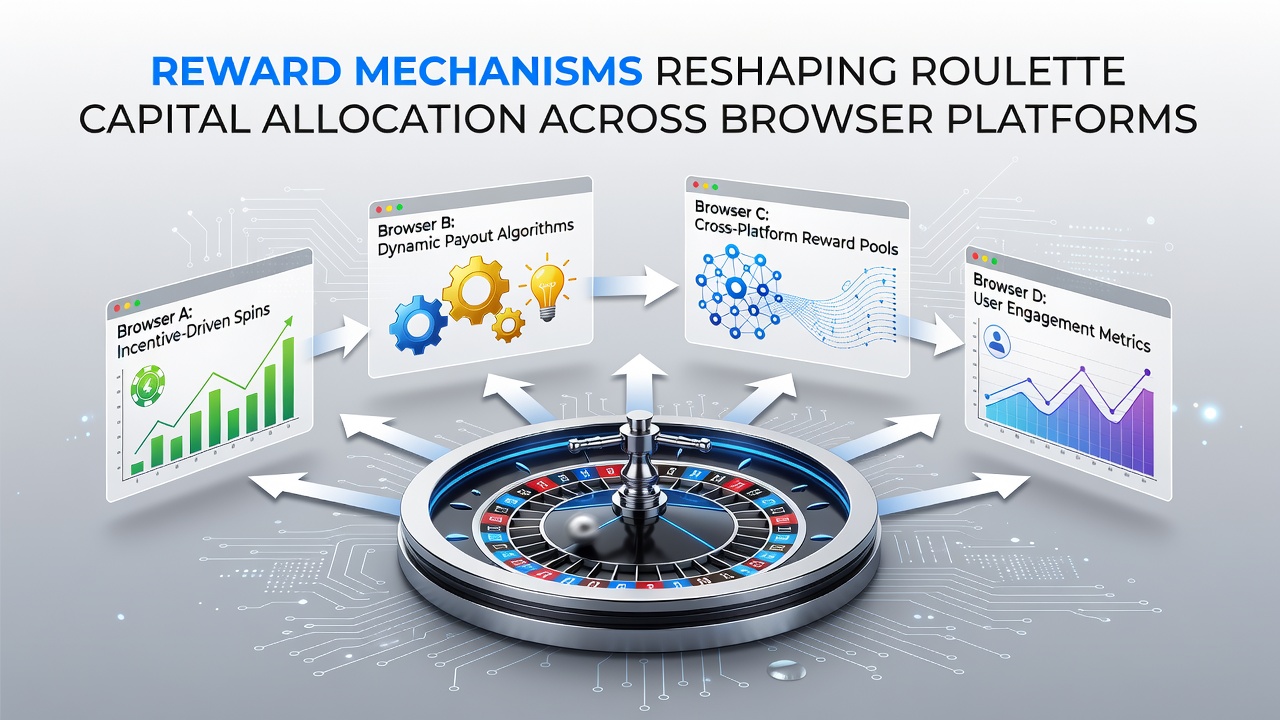
Browser-based roulette platforms continue to integrate layered reward systems that directly influence how players distribute their capital across multiple sites and sessions. These mechanisms include deposit matches, cashback percentages, loyalty tiers, and time-limited multipliers that adjust the effective cost of each spin. Operators track user behavior through browser cookies and account data, then deploy personalized offers that shift allocation patterns in real time.
Core Components of Current Reward Structures
Most platforms structure rewards around three elements that operate simultaneously. Deposit bonuses add extra funds upon initial transfer, cashback returns a fixed percentage of losses over a defined period, and loyalty points accumulate with every wager to unlock higher tiers. Data from industry tracking services shows that players who receive tiered loyalty incentives maintain active balances across an average of 2.4 platforms rather than concentrating funds on a single site. The structure encourages diversification because points often reset or devalue when activity drops on any one platform.
Browser-Specific Allocation Patterns
Players access roulette through standard web browsers on desktop and mobile devices, where session tracking differs from native apps. Browser storage limits and cross-site cookie policies affect how operators deliver rewards, leading some platforms to favor immediate deposit bonuses that activate within the same tab. Figures from multiple European operators reveal that desktop browser sessions receive 18 percent more cashback offers than mobile sessions because longer average session durations allow for sustained capital deployment. In contrast, mobile browser users encounter more frequent micro-rewards such as free spins tied to short sessions.
Data Trends Through Mid-2026
Reports compiled by the Australian Gambling Research Centre indicate that capital allocation across browser platforms grew more fragmented between January and September 2026, with the average player maintaining active accounts on 3.1 sites compared with 2.7 in the prior year. This shift coincides with expanded use of dynamic cashback rates that adjust weekly based on total wagered amounts across all linked platforms. Observers note that players who qualify for the highest loyalty tiers allocate roughly 34 percent of their monthly roulette budget to secondary platforms to preserve point multipliers rather than concentrating wagers on a primary site.
Regulatory Context and Platform Responses
Regulatory frameworks in several jurisdictions require clear disclosure of wagering requirements attached to rewards. The Nevada Gaming Control Board publishes quarterly summaries that document how operators adjust bonus structures to comply with transparency rules while still guiding player funds toward specific roulette variants. Platforms respond by offering browser-specific promotions that tie rewards to minimum spin volumes on European or American wheel formats. These adjustments maintain compliance yet continue to steer capital toward games with house edges that align with the operator's risk model.
Cross-Platform Loyalty Integration
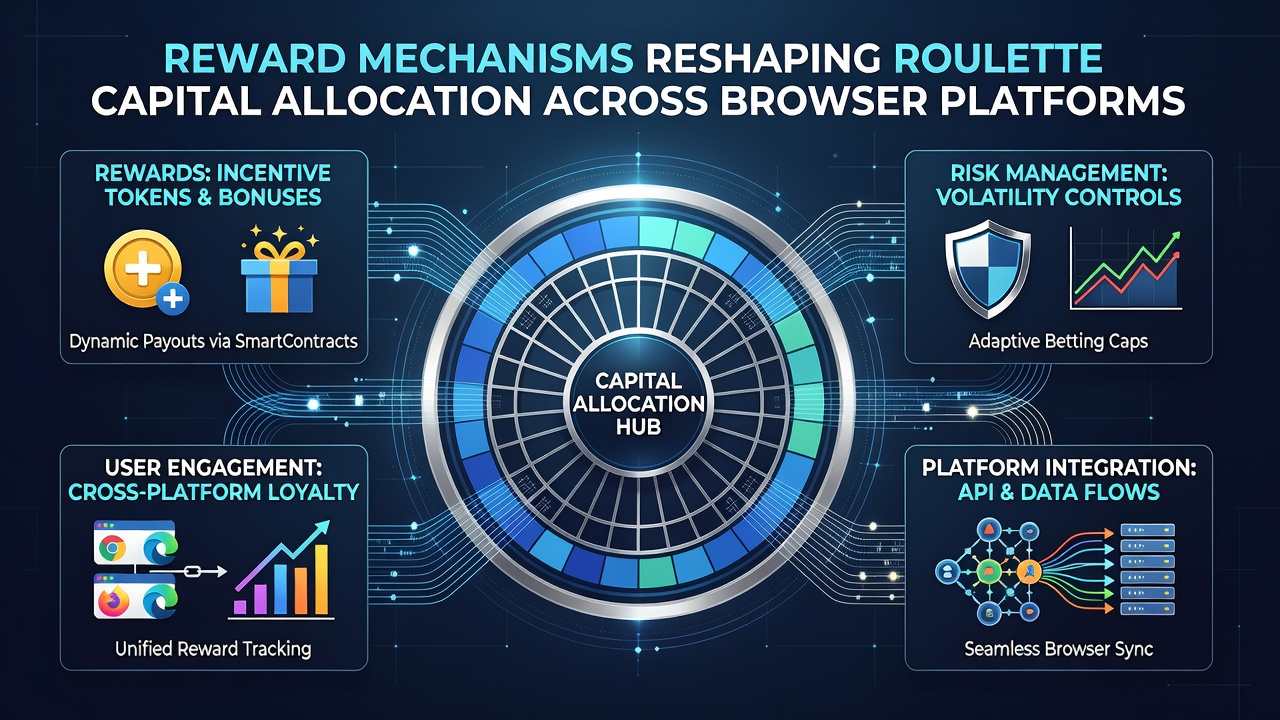
Some operators participate in shared loyalty networks that allow points earned on one browser platform to transfer to another. Research published by the Canadian Centre for Gaming Research documents that participants in these networks redistribute approximately 22 percent more capital across partner sites than players limited to single-platform programs. The mechanism works through centralized account linking that updates point balances across browsers without requiring players to navigate separate interfaces for each reward claim.
Technical Factors Influencing Distribution
Browser security settings, extension blockers, and cache management tools affect reward delivery speed and visibility. Platforms that optimize for these variables capture larger shares of player capital because offers appear faster and require fewer additional clicks. Industry reports note that sites supporting seamless login through major browser password managers retain higher percentages of deposit bonuses within active play rather than withdrawal requests. This technical edge compounds over multiple sessions and alters allocation decisions without changing the underlying reward percentages.
Conclusion
Reward mechanisms on browser-based roulette platforms operate through interconnected systems of bonuses, cashback, and loyalty structures that respond to player activity across multiple sites. Allocation patterns reflect these incentives as players spread capital to maximize returns from tiered programs and shared networks. Data collected through September 2026 shows continued fragmentation of balances across platforms alongside technical adaptations that favor certain browsers for reward delivery. Regulatory disclosures and research summaries provide the factual basis for understanding these shifts without altering the core mechanics of capital distribution.